Just like Leonardo da Vinci's sketches, illustrations let scientists make their research tangible and share their work.
Illustrations are an excellent bridge between the producer of science and their audience. Among the different forms of scientific illustration, it's important to choose the one that fits best for a given audience and a specific medium.
1) The power to clarify
Whether a still or animated image, embedded in a spoken or written communication, illustration holds an unrivalled power to clarify.
Images catch the eye and spark interest and curiosity. Scientific illustrations are mainly used to illustrate articles, conferences, reports, videos, immersive experiences, marketing communications…
Science & Vie magazine - the mosquito, a vector of infection.
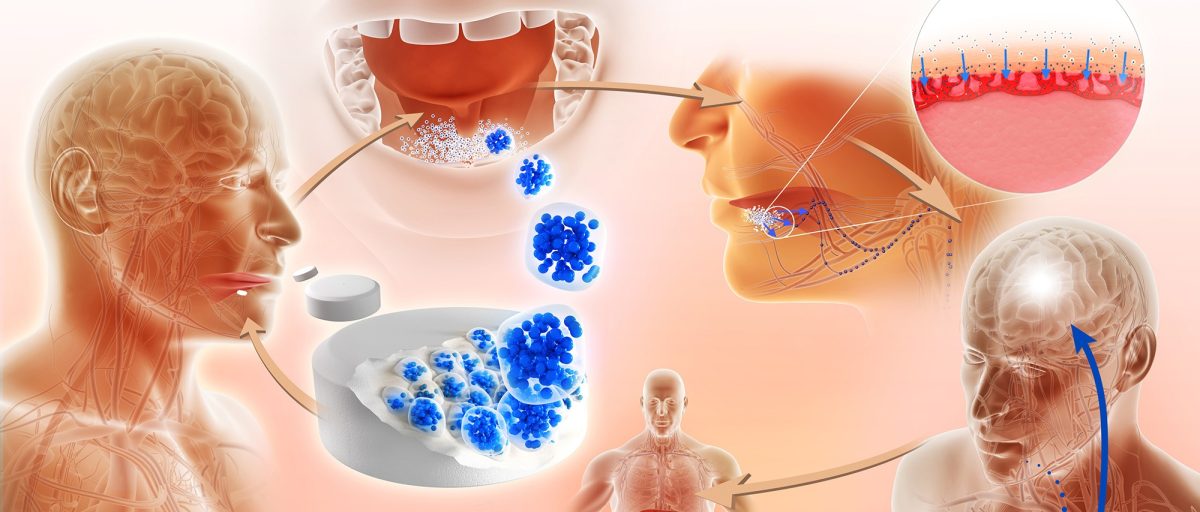
To work with a scientific illustrator, you need to define a brief. Describing the visual or visuals to be produced through text or a sketch, it must serve the communication objectives while adapting to the target audience. For an animation, a storyboard must first be created to define each step to be shown, the viewing angles, camera movements, lighting, and so on.
Marketing communication - Prostrakan Laboratories
2) Visualise the invisible
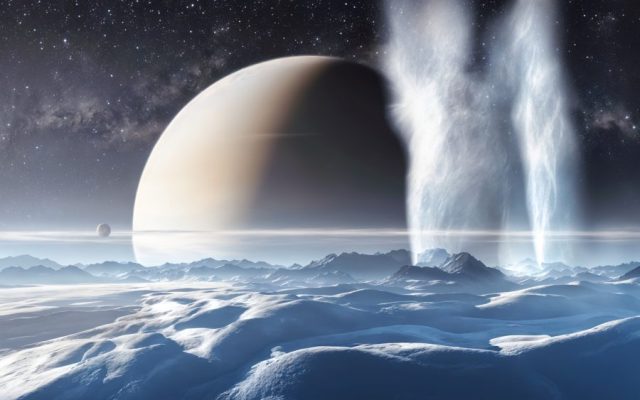
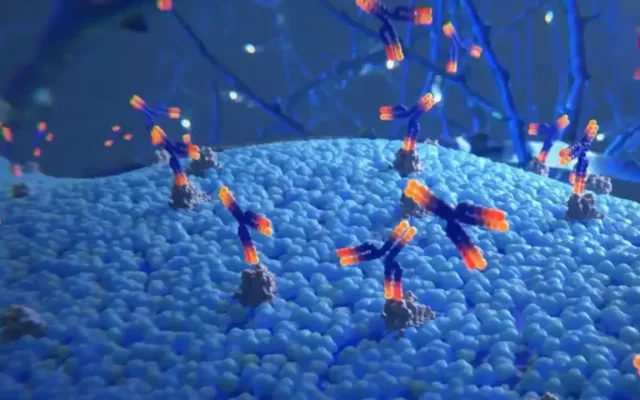
Illustrations can depict the infinitely large and the infinitely small, and time can be shown as a series of stages.
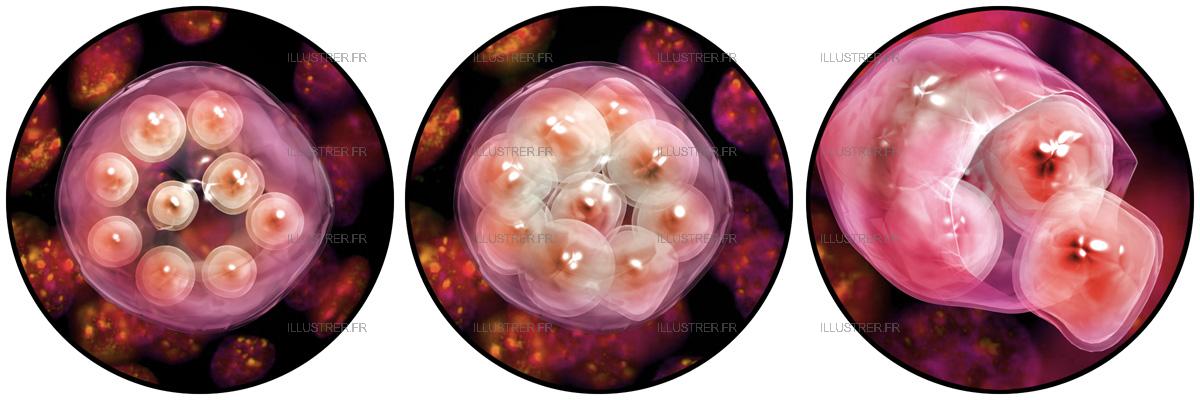
Quo magazine, Spain - The science in the kitchen - starch
3) Anticipate the future
Illustrations aim to faithfully render the shape of an object or a figure, but they can also depict things that are inaccessible in space or time, or even phenomena that don't yet exist.

Science & Vie - The planned destruction of the ISS in 2022. Re-entry into the atmosphere
4) Recall the past
From archaeological reconstructions to records of the past, scientific illustration is a way to take us travelling through time, to reveal ancient remains, to restore and rebuild them, as still or animated images, or in virtual reality with immersive 3D glasses.
Science & Vie magazine - The tomb of Tutankhamun
5) Dive into the infinitely small
Illustrations open up unique perspectives. Through the play of colours and scales, they make it possible to emphasise or fade elements according to their importance.
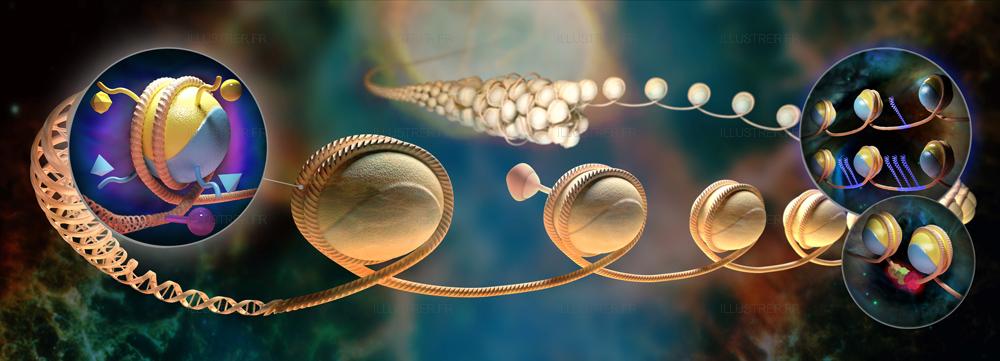
Pour la Science magazine - Random gene expression
6) Reveal what is hidden
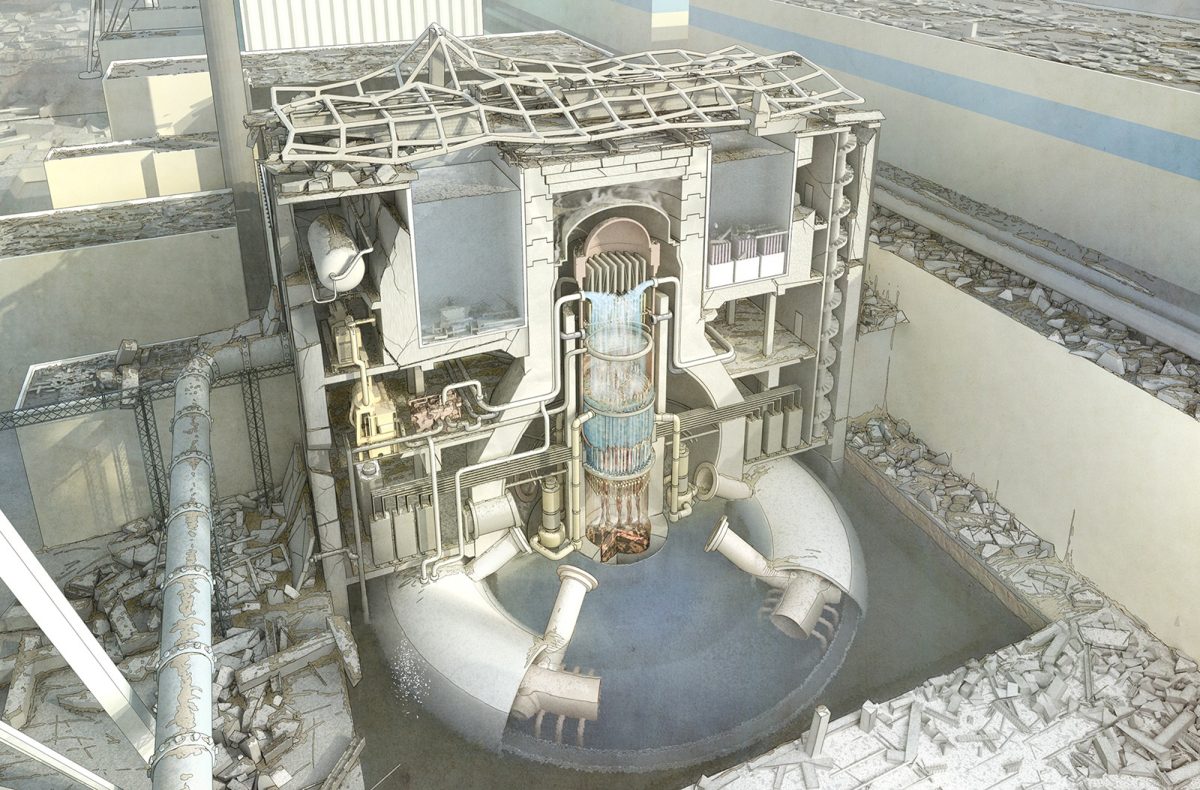
Science & Vie - Fukushima in 2012
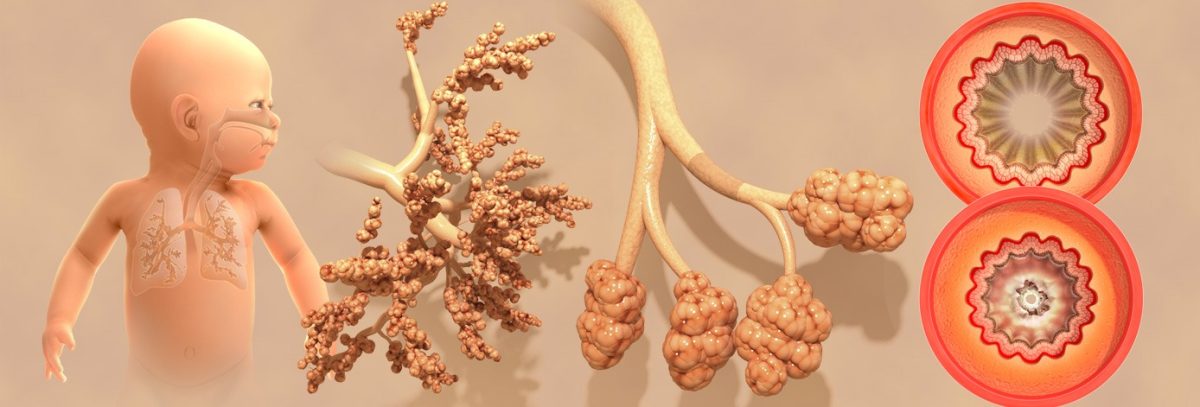
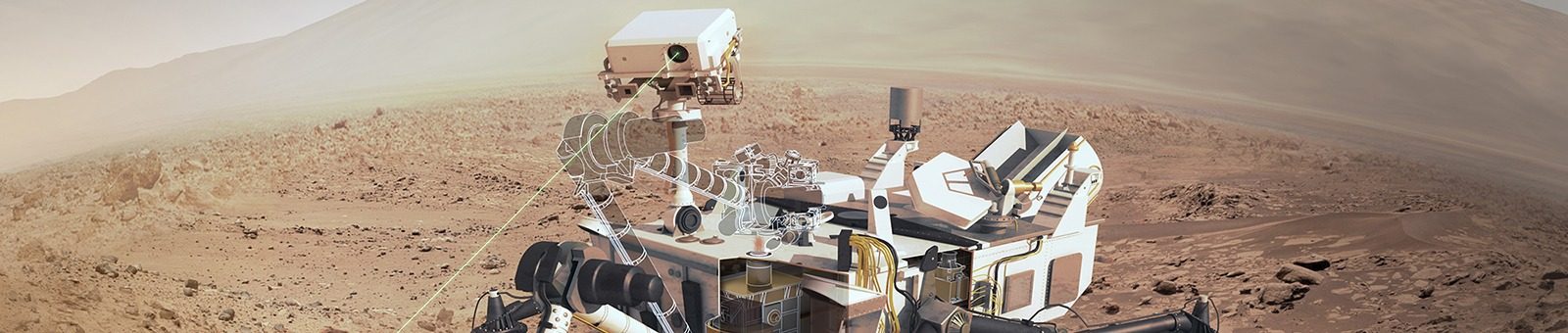
To visualise the inside of an object, a building or an organ, there's nothing like an illustration. The visual opposite illustrates bronchiolitis in newborns. To illustrate it, the focus was placed on visualising the bronchi and bronchioles. This depiction shows different scales.
Pour la Science magazine - Bronchiolitis.
7) Unfold a process

Science & Vie Special Edition - The stages of the embryo.
The stages of a process can be shown through a succession of still or animated images.
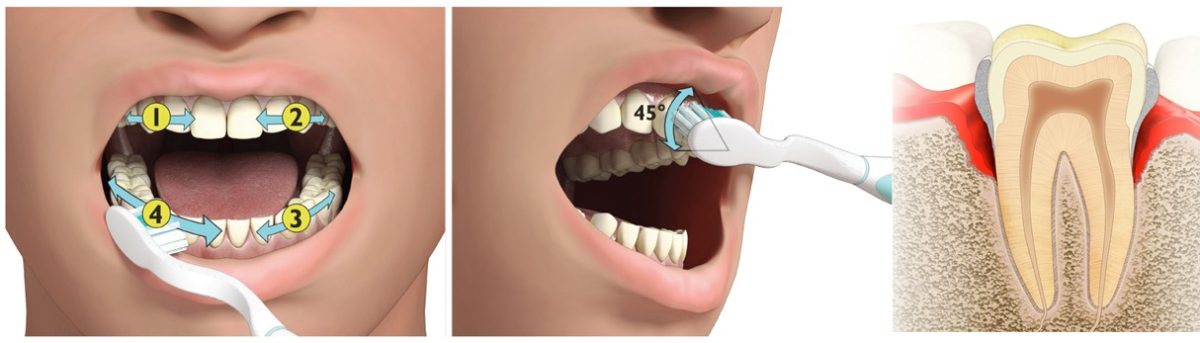
Medical communication - Listerine
Working with an illustrator
Researchers can create their own illustrations or turn to a scientific illustrator. The wealth of hyper-realistic 3D imagery we see in film and on television has accustomed us to such graphic and visual standards that it's best to call on a professional to create them.
Have a project or questions? It costs nothing to talk about it.
Feel free to get in touch.
Christophe Martin: 06 84 14 12 43 ; cmartin@illustrer.fr