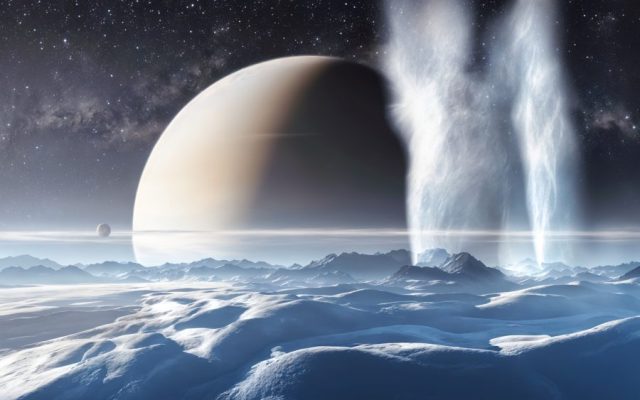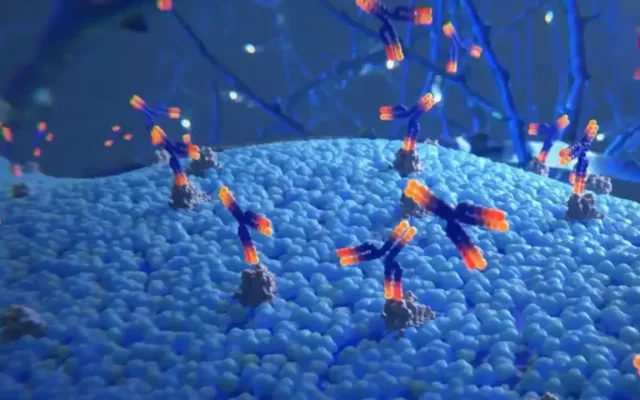
Léa is a scientific illustrator and a fulfilled 3D artist.
She joined Imascience 4 years ago and brings all of her artistic talent to the team.
But I'll let her speak for herself and tell us about her work.
Letting go of certainties
I didn't always know I wanted a creative career. For a long time, I thought I'd become a vet. I was in an ATS bio prep course, with demanding classes, a lot of rote learning... and less and less enjoyment. I need to understand, to visualise, not just line up facts. During that time, I drew a lot. It was a bit of a refuge for me.
One day, I ended up thinking that maybe I could do something with that. Not with a ready-made career plan, not with a precise dream, but with this urge to draw, to create. I came across a poster for the MJM school more or less by chance. I chose Nantes, a bit on a whim, because I saw a possible future there, a city I had already started to make my own.
First steps in 3D
I didn't know anything about 3D. I discovered it at school, along with everyone else, or nearly. At first, I vaguely thought film, why not. But I had no obsession with video games or animation. I moved forward without a precise plan, with curiosity.
When I started at Imascience, it was my first real contact with the professional world in an artistic field. I didn't really know what to expect. So as not to arrive completely lost, I spent my holidays teaching myself Blender (I came from 3DS Max) as a self-taught learner. I wanted to be able to start with confidence.
Finding my place at Imascience
I quickly understood that Imascience sits at a crossroads: it's neither advertising, nor film, nor pure science communication. It's something else. It's explanation through images, sometimes very precise, sometimes more poetic, always demanding. What I love is that every project is different. Each subject forces me to understand, to represent things differently. There's no routine, no repetition.
What I also found here is a working atmosphere that suits me. A small team, where everyone has their place, where versatility is normal. I had known that at the EFS, and it works well for me. I've never worked in a big company, and to be honest I don't want to.
When science becomes an image
Science wasn't foreign to me. In a way, it's where I come from. What I like as a scientific illustrator is that rare blend of rigour and creativity. The first project that made a mark on me was a double-page spread for Core Biogenesis, with an all-green world, cell membranes, lipid bilayers, an open cross-section to show the inside. It's one of the illustrations I still love just as much today. It took me time, but I loved every step. That was also when I started working seriously with nodes.
I'm not someone who gets easily carried away. I never told myself one day: “This is what I want to do!”. That's not my temperament. But I love what I do, deeply. And that's enough for me. It's fulfilling.
A taste for the concrete
A good day's work? It's a day where I make progress. Where I'm fully immersed in my nodes, thinking about how to solve a visual or technical problem. That's what I like best: searching, testing, adjusting. It's almost engineering, in fact.
Illustration and animation don't have the same relationship with time. A still image can be refined, its details pushed to the extreme. With animation, you have to think about movement, about the whole, avoiding flaws at every moment. It calls for a broader vision, a more fluid handling of space.
Getting closer to accuracy
I always start by looking for references. I want to know what the thing I have to represent really looks like. I try to understand the mechanisms, the scales. Then I adapt it to the requested style. I've always preferred explaining with drawings. Even during my studies. I have a very visual approach to things. I need to see in order to understand, and I like to show in order to make things understood.
I don't really see myself as a technician, even though I handle complex tools. I'd say I'm an artist. An artist who conveys ideas, knowledge, invisible worlds. And who does it in a readable way.
When my grandparents ask me what I do, I show them videos, examples. I tell them I create science images, on a computer. And when I talk to people who are more comfortable with the technical side, I talk about 3D animation, science communication, custom creation for research or healthcare companies. It's not Pixar, but it's about very real things.
Images that stay with you
Among the most memorable projects, there's NOF, a 360° immersion. It's very different from a classic film: you can't hide anything, everything is visible. You have to think about the space all around, everywhere. And on that project, we had to get into a complex material, between liquid and solid, and make people feel it. There were technical limits because of the VR headset, but we managed to create something immersive that resonated with the client. It was difficult, but stimulating.
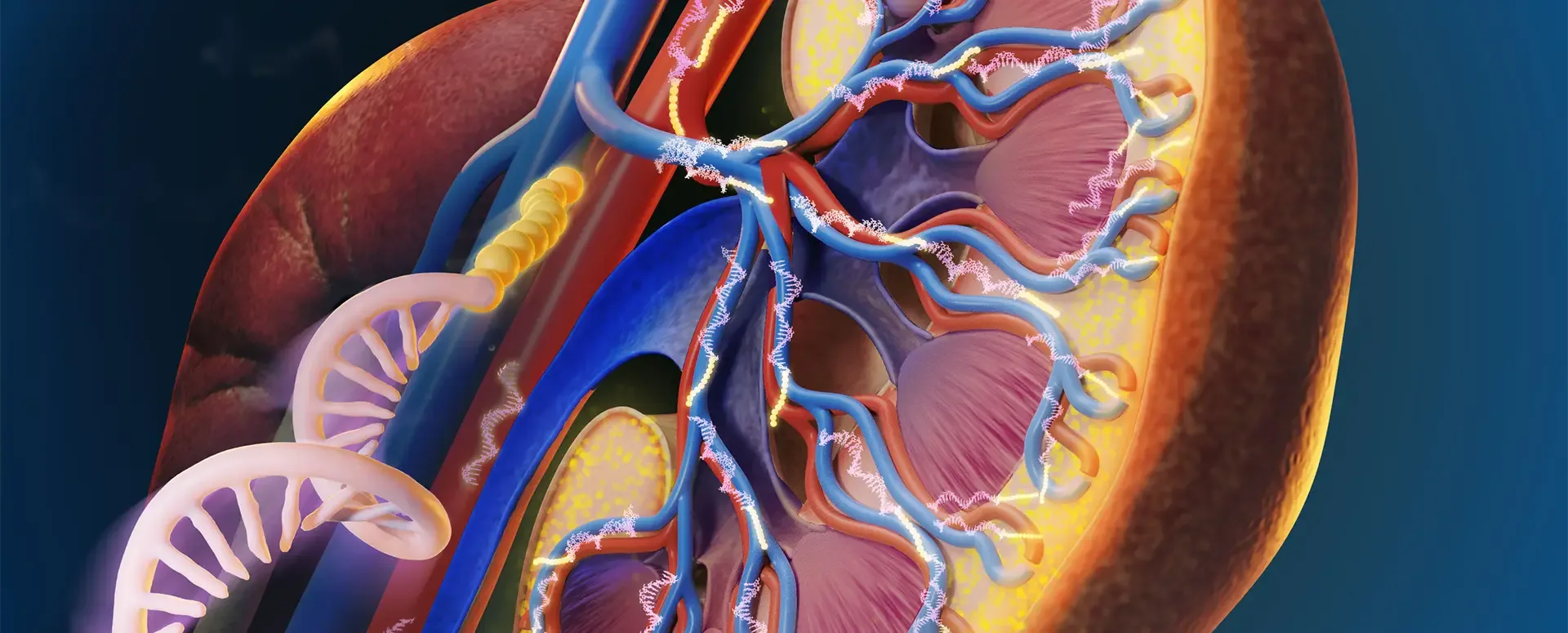
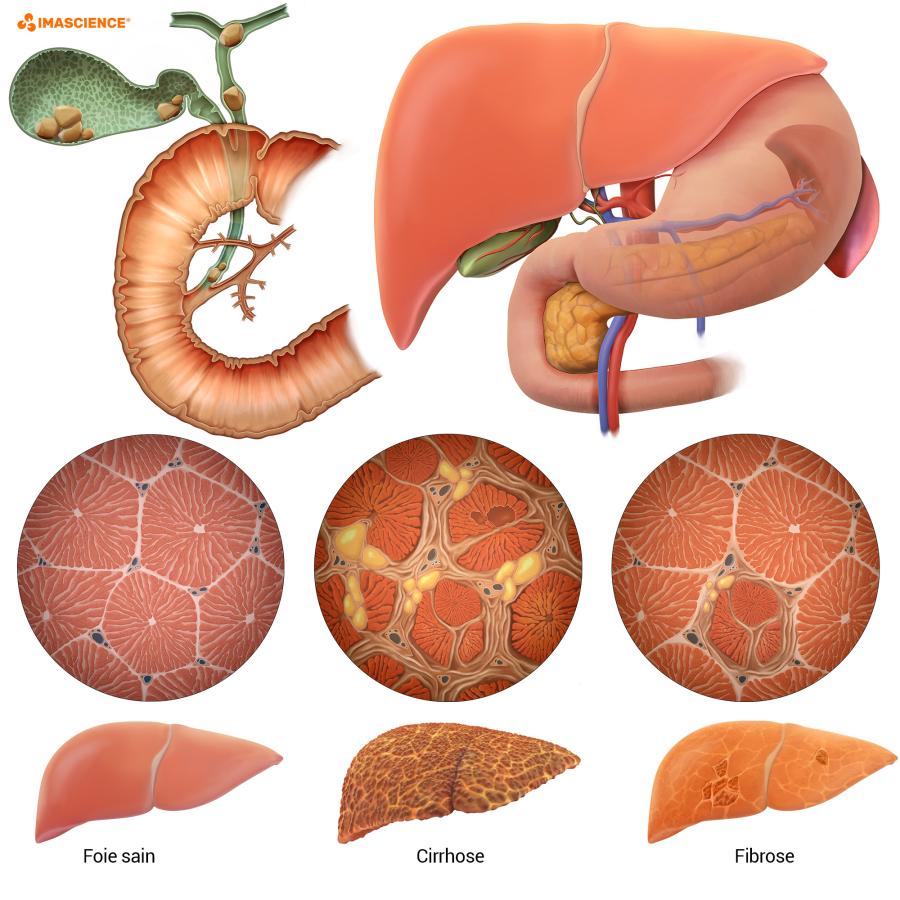
I'm also attached to a gentler illustration I made on an iPad, outside my usual tools. A cross-section of an organ, with different liver pathologies. I loved the moment, the process. And I still love the result. There are images you quickly forget, and others you keep.
In four years, I've grown in technique, speed and efficiency. I've also refined my artistic eye. I think I take critical feedback better than before. I manage to put some distance between what I do and who I am. Not to take everything to heart. It doesn't come naturally to me, it came with time.
Would I do it all again?
If I had to talk to the Léa from before MJM, I wouldn't tell her to change course. Because in the end, even with the detours, I'm where I'm meant to be. In a job that reflects who I am: at the crossroads of science and image.
I still have plenty to learn. I'd like to explore more subjects linked to research, to diseases, to space... but not necessarily the most spectacular ones. What draws me in is understanding. Creating from that understanding.
Try, create, start again
To a young illustrator who's hesitating, I'd say: go for it. There's nothing to lose. Don't hold yourself back for fear of failing. It's by trying that you find your way.
As for me, I really like my days. And that's already a lot.
Léa Leroux
Head of the 3D department at Imascience.