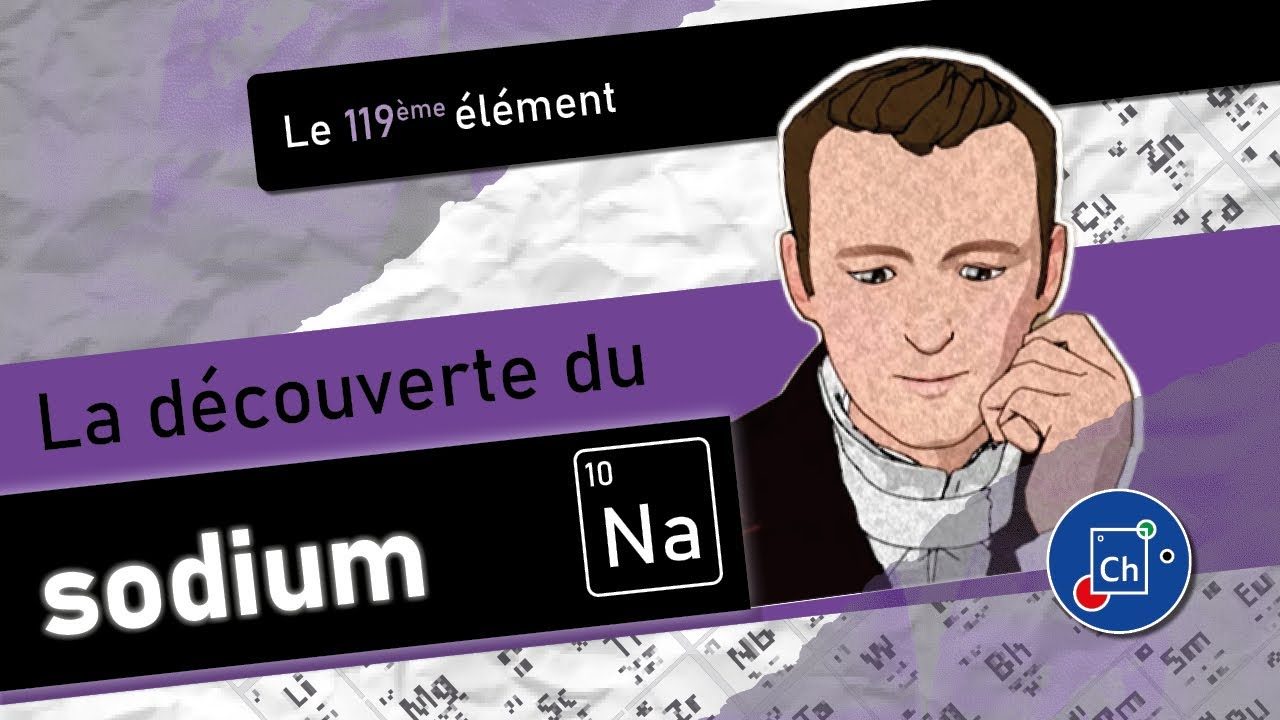
Eleven episodes. Eleven elements. From hydrogen to sodium, by way of the mystery of atomic emptiness. Berkem and the Chimical channel entrusted us with producing a science animation of a particular kind: telling the human story behind each chemical element.
A science animation focused on the history of science
Hydrogen, helium, lithium, beryllium, boron, carbon, nitrogen, oxygen, neon, sodium. Each 1-to-2-minute episode tells a story: who discovered this element? In what context? How did it get its name?
Here, science animation becomes a tale of human adventures. Lavoisier isolating oxygen in his Paris laboratory. Ramsay and Travers discovering neon in London in 1898. Davy producing metallic sodium through electrolysis. Behind each element lie characters, laboratories and different eras.
Blending techniques: when animation mixes styles
To bring these stories to life, we combined approaches. 3D with a comic-book render for the molecules and atomic structures. Traditional layered animation for the historical sequences and characters. This combination creates a unique visual style, neither purely realistic nor entirely cartoon.
The episode on atomic emptiness takes the concept further. How do you convey that an atom is essentially empty space? We compare: if the nucleus were a grain of rice, the electrons would be specks of dust scattered around the house. Science animation makes these dizzying shifts in scale possible in just a few seconds.
The electro-swing rhythm: a modern signature sound
The music, in a Caravan Palace-style electro-swing, sets the tempo. Vintage yet modern, it fits perfectly with the blend of eras: nineteenth-century discoveries told with twenty-first-century tools. This musical choice turns the science animation into something unexpected: an educational clip you want to watch again.
Two minutes per episode. It's short, dense and calibrated for modern attention spans. No filler, no digressions. The information comes through the image, the music carries the rhythm, and Antoine Robert's voice guides without overwhelming.
What The 119th element brings to animation
This series proves that a science animation doesn't need to run 20 minutes to leave a mark. In a short format, with a strong historical angle and a bold visual style, you can create memorable scientific content.
The eleven episodes show that chemistry isn't just a string of formulas: it's a human adventure, made of discoveries, mistakes and coincidences. Science animation then becomes a bridge between the history of science and the understanding of phenomena.
The full series is available either directly in our gallery, or on the Chimical YouTube channel. Eleven short stories that change how you see the periodic table.
IMASCIENCE has been producing science animations since 2012 for the pharmaceutical industry, museums and education.