Part 1: Behind the scenes of medical and scientific videos
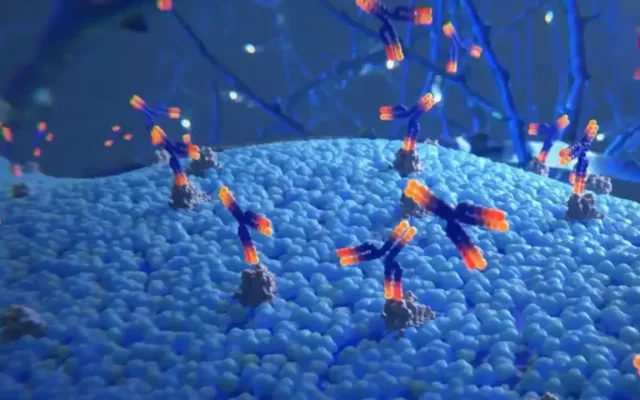
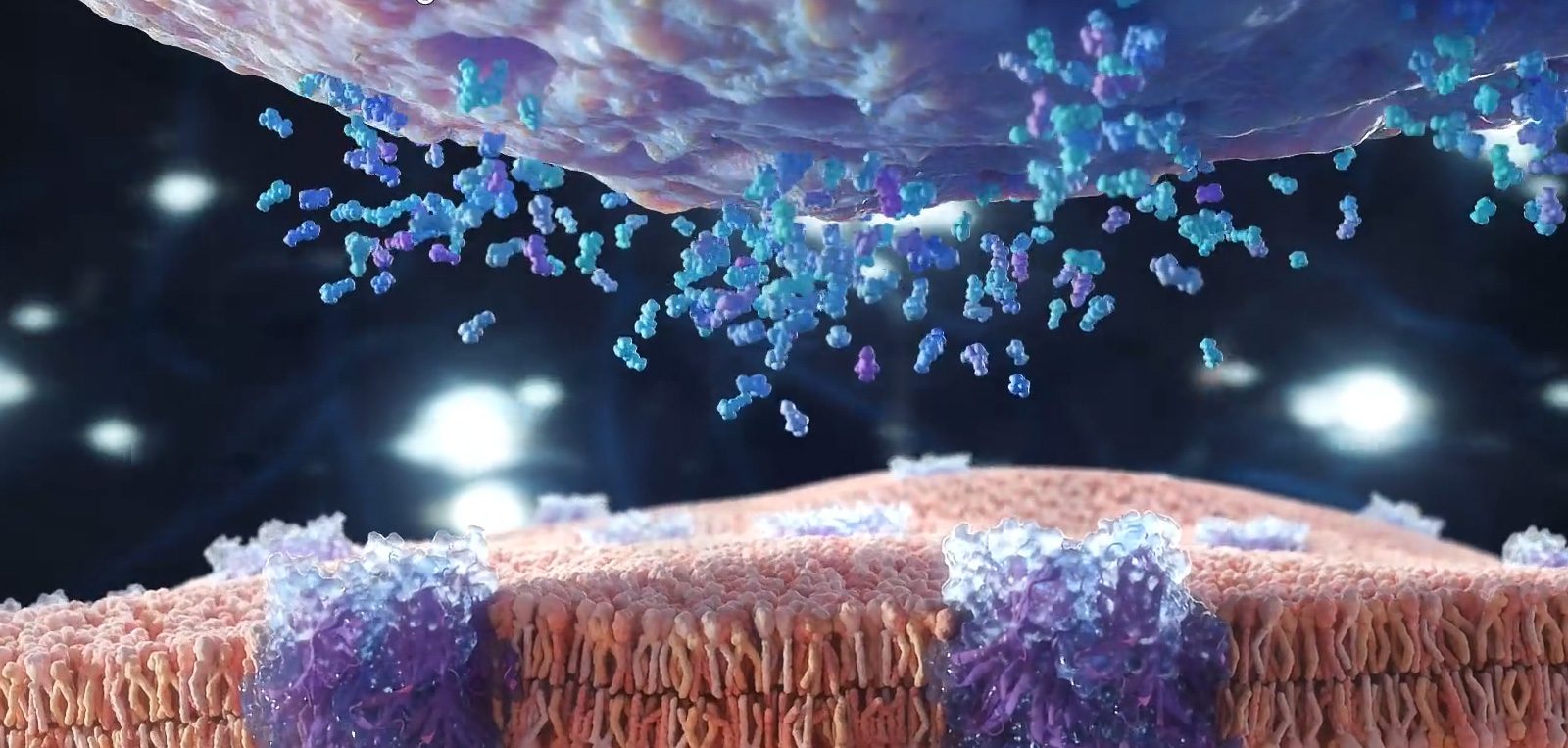
We see plenty of medical and scientific videos scrolling past on social media, on the websites we visit, and even on the screens in the doctor's waiting room. These characters that seem to move on their own capture our attention. Everything looks smooth, natural. For a few short minutes, our eyes take in a perfectly orchestrated stream of images.
But before we can enjoy these images, so neatly arranged and animated to tell a seamless story, there are weeks (often months) of intense work.
The creation process behind medical and scientific videos
✏ It all starts with the client's request. Once the request is accepted, a series of meetings follows to develop the script and storyboard. This is where the story takes shape. Every detail, every scene is carefully planned to ensure the film's consistency and visual appeal.
Next comes modeling the scene elements and characters. This step is crucial because it brings the ideas sketched on the storyboard to life. The animators work with sophisticated software to create detailed 3D models.
Once modeling is complete, the animation itself begins. The characters and scene elements are animated to produce smooth, natural movements. This requires incredible precision and close attention to detail.
The next step is adding textures. Textures give depth and realism to the 3D models. They make it possible to simulate a variety of surfaces such as skin, clothing, metal, and more.
Lighting and sound effects in medical and scientific videos
Lighting plays an essential role in setting the mood of the film. The animators use different lighting techniques to highlight scenes and characters, creating unique atmospheres.
Captions and voice-overs are then added to complete the story. The narration is carefully synchronized with the characters' actions to ensure an immersive experience for the viewer.
Finally, the final edit assembles all the pieces of the puzzle. Various corrections and adjustments are made to perfect the film. This step often requires several back-and-forth exchanges between the animators and the client to ensure the final product perfectly meets expectations.
? In this animation, we invite you to follow the various stages of producing medical and scientific videos. You'll discover the meticulous, collaborative work behind every scene, every movement, every detail.
See our gallery of medical animations
Part 2: Building touchscreen applications
After exploring the behind-the-scenes of making an animated film, today we invite you to discover those of a touchscreen application.
? The main stages of exchange with the client stay the same, but the production is different. Touchscreen applications, like virtual reality applications, meet a variety of needs and require a specific approach.
The creation process of a touchscreen application
✏ Touchscreen applications are increasingly requested by clients who want to showcase their innovations in detail at trade shows or conferences. They are also very popular with universities looking for interactive, cost-effective ways to run practical labs without having to invest in expensive or hard-to-access equipment. They often complement medical and scientific videos, adding interactivity with visitors.
The first step is to define the client's needs and objectives. Once these are clarified, development of the application can begin. As with animated films, everything starts with creating a storyboard. This storyboard serves as a guide for developing the application, ensuring that all necessary features are included and properly arranged.
Development and testing
Developing a touchscreen application involves several technical steps. The developers work on designing the user interface (UI) and the user experience (UX). The goal is to create an application that is intuitive and easy to use.
Next, the interactive features are added. This can include elements such as buttons, menus, animations, and touch interactions. Each element is carefully coded and tested to guarantee optimal performance.
Testing plays a crucial role in the development process. The application is tested on different devices to make sure it works correctly across all devices and platforms. The developers also carry out usability tests to ensure the application is intuitive and easy to use.
Launch and maintenance
Once the application is developed and tested, it's ready to launch. But the work doesn't stop there. After launch, the application requires regular maintenance to fix bugs, improve existing features, and add new ones based on user feedback.
? In this animation, we invite you to follow the various stages of building a touchscreen application. You'll discover the technical and creative challenges that developers must overcome to create interactive, innovative applications.
Visit our gallery of touchscreen applications
In conclusion, whether it's an animated film or a touchscreen application, every project requires close collaboration between the client and the creators. Every step of the process is crucial to ensuring the quality and relevance of the final product. These production secrets reveal the complexity and beauty of these creations which, though often invisible to the end user, are essential to delivering an immersive, captivating experience.